A Beginner’s Guide to Sustainable Fabrics: From Organic Cotton to Tencel
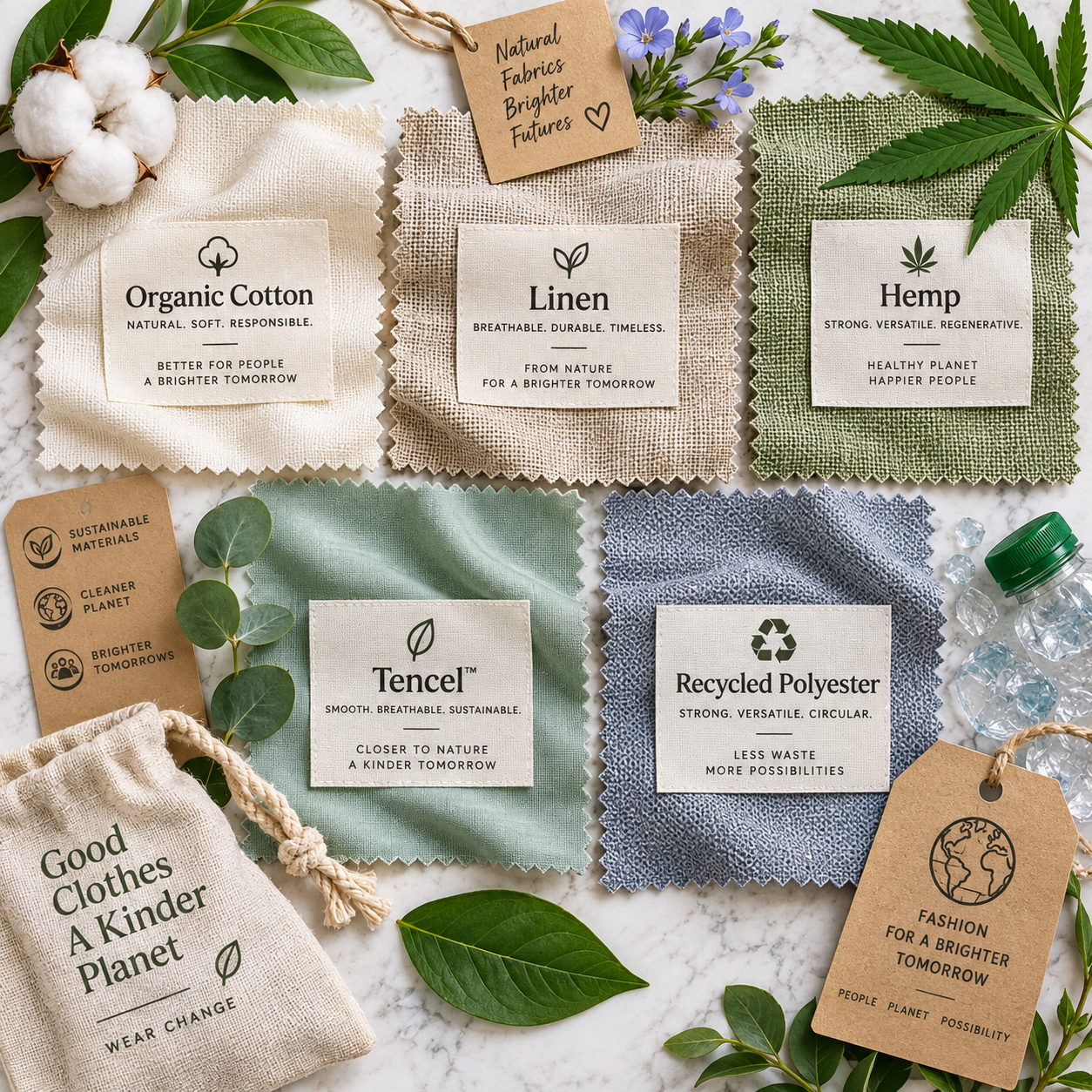
Choosing sustainable fabrics can feel confusing because every material has advantages and trade-offs. Organic cotton may reduce certain agricultural impacts, Tencel can offer efficient processing, and recycled polyester can reduce demand for virgin plastic. Yet the most responsible garment is often the one you already own, wear frequently, repair, and keep for years.
This beginner’s guide compares common textiles through the full life cycle: how fibers are grown or made, how textile production uses water and chemicals, how long garments last, and what happens at the end. Material choice matters, but so do construction quality, washing habits, labor conditions, and the number of clothes we buy.
What Makes a Fabric Sustainable?
A sustainable fabric creates comparatively lower environmental and social impacts across its life cycle, from raw material sourcing through disposal. No fiber is impact-free, so evaluate the entire garment rather than trusting a single green-sounding label.
Start with six questions:
- Resource use: How much land, water, energy, and feedstock does the fiber require?
- Chemical processing: Are pesticides, dyes, solvents, or finishing chemicals used, and are they properly managed?
- Durability: Will the fabric keep its shape, resist abrasion, and remain useful after repeated wear?
- Production practices: Does the brand provide credible information about factories, wages, and worker safety?
- End of life: Can the textile be reused, repaired, recycled, composted, or safely disposed of?
- Use phase: Does it require frequent washing, high heat, dry cleaning, or special care?
A useful beginner’s framework is source, service, and finish. Source means where the fiber comes from. Service means how well the garment performs over its expected lifetime. Finish means what happens when it is no longer wanted. A durable conventional garment worn for a decade may be a better practical choice than a fragile item marketed as eco-friendly and discarded after a few months.
Labels can help, but they do not answer every question. A certification may verify organic farming, recycled content, chemical restrictions, or chain-of-custody records; it may not guarantee perfect labor conditions or superior garment quality.
Organic Cotton vs. Conventional Cotton
Organic cotton is grown under organic agricultural standards, while conventional cotton may use synthetic pesticides, fertilizers, and genetically modified seed depending on the production system. The better choice depends on certification, garment quality, farming context, and how long you will wear it.
Organic cotton generally avoids most synthetic pesticides and fertilizers prohibited by the relevant organic standard. Organic systems may support soil health through crop rotation and other farming practices. However, organic cotton is not automatically low-impact: yields, irrigation, local climate, energy use, dyeing, and transport still matter.
Conventional cotton remains a widely used natural fiber. It can produce comfortable, breathable clothing and may be cultivated with improved irrigation, pest management, or soil practices. Its environmental profile varies greatly by region and farm, which makes broad claims about all conventional cotton unreliable.
What to check on an organic cotton label
- GOTS: The Global Organic Textile Standard covers certified organic fibers and includes processing and social criteria. Look for a product or certification reference rather than relying only on the words organic cotton.
- OCS: The Organic Content Standard verifies organic material content through the supply chain, but it has a narrower scope than GOTS.
- Product details: Check fiber percentages, country of manufacture, and care instructions. An organic cotton label does not tell you whether the garment is thick, well sewn, or designed to last.
Organic cotton often suits T-shirts, underwear, bedding, and baby clothing because it is soft and breathable. Its limitation is water demand in some growing regions, plus the energy and chemicals used during spinning, dyeing, and finishing. Wash cotton only when needed, use cooler cycles, and line-dry when practical to extend the garment’s useful life.
Tencel, Lyocell, and Other Cellulosic Fabrics
Tencel is a branded form of lyocell and modal made from regenerated cellulose, usually sourced from wood pulp. The plant material is chemically dissolved, filtered, and spun into new fibers, so plant-based does not mean unprocessed.
Lyocell is the generic fiber name, while Tencel is a trademark associated with Lenzing products. In lyocell production, the solvent system is designed to recover and reuse much of the solvent, which can reduce chemical loss compared with some other regenerated-cellulose processes. Actual impacts still depend on the mill, energy supply, wood source, dyes, blends, and finishing.
Tencel lyocell often feels smooth, drapes well, and manages moisture comfortably. It works well for shirts, dresses, underwear, and relaxed trousers. Modal, another regenerated cellulose fiber, is frequently used in soft jersey garments; its sustainability profile depends on the specific producer and sourcing system.
Look for credible information about **responsibly sourced wood**, closed-loop or solvent-recovery systems, and recognized textile certifications. The [European Commission’s textile strategy](https://environment.ec.europa.eu/strategy/textiles-strategy_en) provides useful context on durability, circularity, and textile impacts.
Biodegradability also requires careful wording. Unfinished lyocell is cellulose-based and may biodegrade under suitable conditions, but dyes, coatings, elastane, sewing threads, and blended fibers can change what happens in real waste systems. A garment label that says biodegradable does not mean it will disappear quickly in a landfill or home compost bin.
Choosing Tencel for its soft hand and drape means accepting that its manufacturing is still industrial and chemical-intensive. The strongest choice is a well-made garment with a simple fiber composition that you will wear repeatedly.
Linen and Hemp: Durable Plant-Based Options
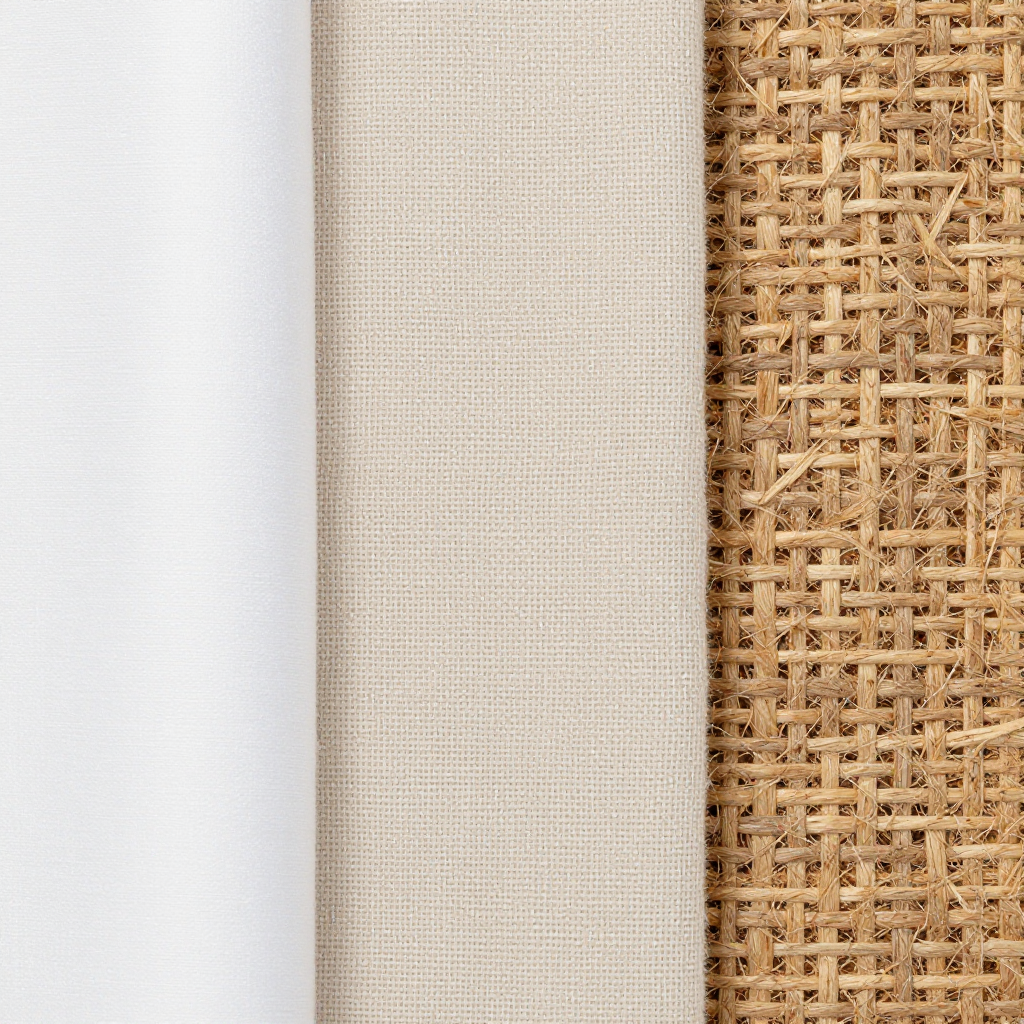
Linen comes from flax, while hemp comes from the hemp plant; both can produce durable, breathable fabrics with relatively low synthetic-input cultivation in suitable conditions. Their best environmental advantage often appears when their durability encourages frequent, long-term wear.
Linen has a crisp texture, excellent breathability, and a relaxed appearance that softens with use. It suits warm-weather shirts, trousers, dresses, bedding, and kitchen textiles. Flax can grow with comparatively limited irrigation in some regions, but farming conditions and textile processing still vary. Linen may wrinkle easily, and low-quality fabric can feel coarse or wear at stress points.
Hemp is strong, breathable, and often blended with cotton or lyocell to soften its texture. It can work well for workwear, overshirts, trousers, bags, and casual basics. Hemp cultivation may require fewer agricultural inputs in certain settings, but the final sustainability profile also depends on retting, fiber processing, dyeing, transport, and garment construction.
When comparing linen and hemp, use the garment’s purpose as your filter:
- Choose linen for airy summer clothing and naturally textured home goods.
- Choose hemp for hard-wearing everyday pieces where strength matters.
- Choose a blend when comfort improves enough to make regular wear more likely, but check whether the blend can be recycled later.
Both fabrics can become less sustainable in practice if they demand frequent ironing, harsh washing, or early replacement. Air-drying and accepting natural wrinkles are simple ways to reduce their use-phase impact.
Where Recycled Fabrics Fit In
Recycled fabrics turn existing textile or plastic waste into new fiber, reducing reliance on virgin raw materials. Recycled polyester is especially common, but recycled cotton, wool, nylon, and other fibers are also available.
Recycled polyester is usually made from post-consumer plastic bottles or post-industrial waste. It can provide useful performance in swimwear, outerwear, sportswear, and fleece while avoiding some virgin polyester production. Recycled cotton can reduce demand for new cotton, although short fibers may limit strength, so manufacturers often blend it with virgin or other fibers.
Recycling has limits. Recycled polyester remains a plastic fiber and can release microfibers during washing. Mechanical recycling may shorten fibers, while chemical recycling systems vary in maturity and availability. A recycled-content claim also says little about durability, worker welfare, dye chemistry, or whether the garment can be recycled again.
For synthetic garments, wash less often, use a full load, avoid unnecessary heat, and consider a filter or laundry bag designed to capture fibers where appropriate. Avoid treating recycled polyester as a reason to buy more activewear. Its strongest role is in a durable item that meets a genuine performance need.
How to Choose Sustainable Fabrics When Shopping
Choose a sustainable fabric by matching the fiber to the garment’s purpose, expected lifespan, care routine, and credible certification. This prevents a single material claim from dominating the decision.
- Start with the job. For a hot-weather shirt, consider linen, hemp, organic cotton, or lyocell. For waterproof outerwear, a recycled synthetic may perform better than a delicate natural fiber.
- Estimate wears. Ask whether you can realistically wear the item at least 30 times, then more. A versatile color and familiar fit usually outperform a novelty purchase.
- Inspect construction. Check seams, hems, buttons, fabric density, stretch recovery, and whether high-stress areas are reinforced.
- Read the fiber composition. A simple composition is usually easier to care for, repair, and sort at end of life. Elastane can improve fit but complicate fiber recycling.
- Verify claims. Look for GOTS, OCS, GRS, or other relevant certifications, and distinguish a certified product from a vague brand-wide promise.
- Consider secondhand first. Buying used extends an existing garment’s life and avoids the impacts of new textile production. It is often the simplest sustainable fashion decision.
Think of this as a “purpose before promise” rule: performance and longevity come before an attractive sustainability slogan. The most suitable fabric is the one that works hard enough to stay in your wardrobe.
Sustainable Fabric Care and End-of-Life
Care, repair, rewearing, resale, and responsible disposal can materially improve a garment’s sustainability, whatever fiber it contains. Keeping clothing in active use is usually more valuable than replacing it with a supposedly greener alternative.
Wash only when necessary, follow the care label, use the lowest effective temperature, and avoid overloading the machine. Air-drying reduces energy use and can be gentler than repeated high heat. Repair loose seams, replace buttons, patch worn elbows, and reinforce trouser hems before small defects become reasons to discard a garment.
When you no longer want an item, use a hierarchy:
- Keep wearing it if the fit and condition remain good.
- Repair or alter it if a small change can restore usefulness.
- Swap, donate, or resell it when another person can use it.
- Recycle it through a credible program if it is clean and unsuitable for further wear.
- Dispose of it responsibly when it is damaged, contaminated, or beyond recovery.
Do not place textiles in ordinary recycling unless your local authority specifically accepts them. Donation is not a guarantee that clothing will be worn, so donate clean, usable items and avoid using charity shops as a disposal shortcut.
Frequently Asked Questions About Sustainable Fabrics
Is organic cotton always more sustainable than conventional cotton?
No. Organic cotton can reduce reliance on prohibited synthetic agricultural inputs, but water use, yield, processing, transport, garment quality, and lifespan still matter. A durable conventional cotton shirt worn for years may outperform a poorly made organic cotton shirt quickly replaced.
Is Tencel biodegradable?
Tencel lyocell is cellulose-based and may biodegrade under suitable conditions, but finishes, dyes, elastane, stitching, and waste infrastructure affect the outcome. Check the full fiber composition and avoid assuming that every Tencel garment is compostable.
What is the most sustainable fabric?
There is no universally most sustainable fabric. The best practical option is usually a suitable, durable material in a garment you will wear often, care for properly, and keep in use for a long time.
Is recycled polyester a good choice?
It can be useful for performance clothing and outerwear because it reduces demand for virgin polyester. Its limitations include microfiber shedding, plastic-based chemistry, and uncertain end-of-life recycling. Buy it for performance, not simply for the label.
Which certifications should beginners look for?
Relevant examples include GOTS and OCS for organic fibers, GRS for recycled content, and OEKO-TEX Standard 100 for testing certain harmful substances in finished products. Each certification covers different issues, so read the scope instead of treating any logo as a complete sustainability guarantee.
Beginner’s shopping checklist: choose the right fabric for the job, inspect construction, verify certifications, prefer simple compositions, consider secondhand, and buy only what you expect to wear repeatedly. Sustainable fashion becomes more credible when material choices support longer, better use.