The Rise of Circular Fashion: What It Is and Why It Matters
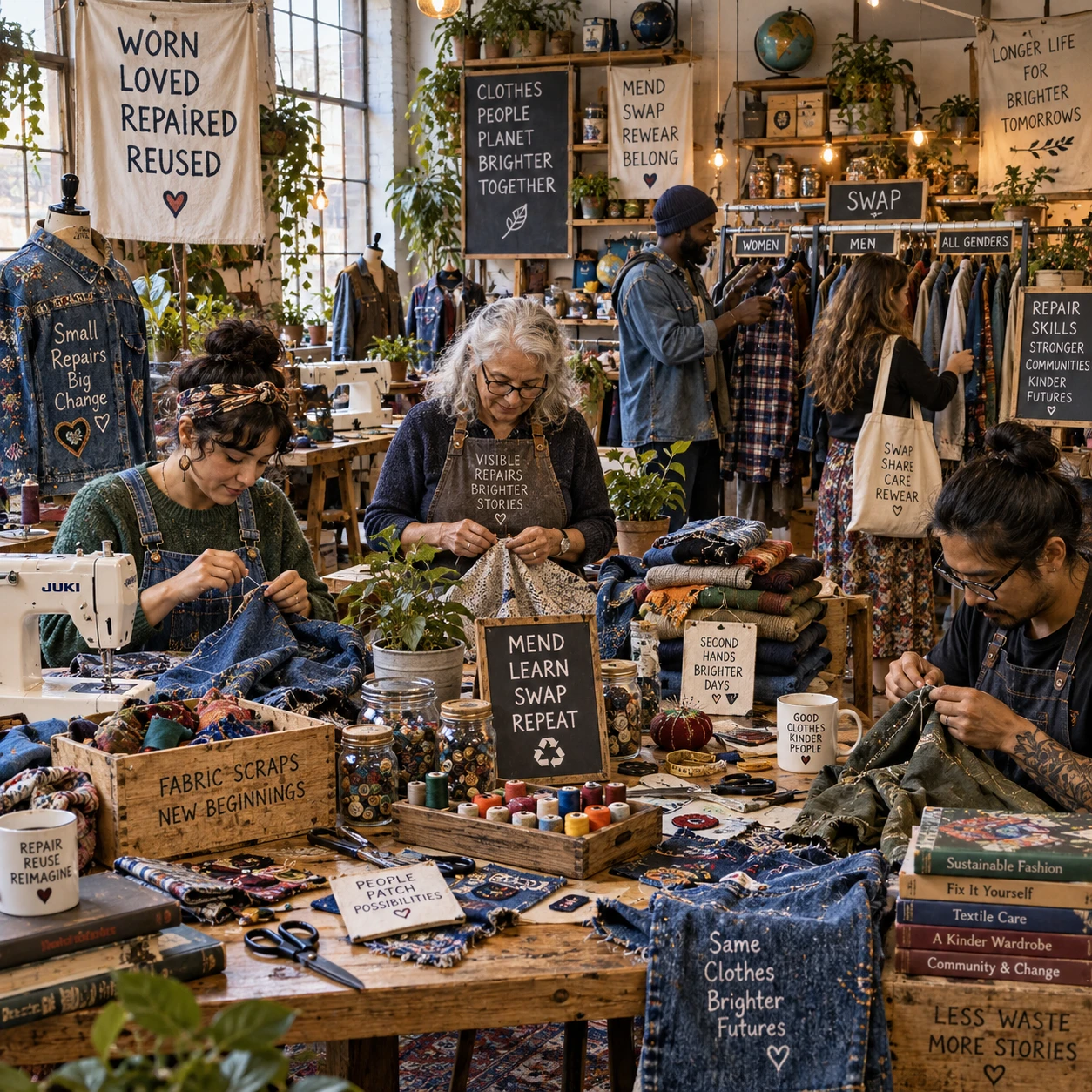
Most clothes follow a short route: they are made, bought, worn for a while, then discarded. Circular fashion aims to change that pattern by keeping garments and their materials in use for longer. It offers a practical way to rethink how clothing is designed, purchased, cared for, and eventually handled when it can no longer be worn.
The idea is gaining attention as textile waste grows and the limits of the familiar fashion system become harder to ignore. Circularity can help reduce pressure on resources, but it is not a magic label or an impact-free solution. Its value depends on choices made by brands, governments, and consumers at every stage of a garment’s life.
What Is Circular Fashion?
Circular fashion is an approach to clothing that keeps garments, components, and materials in use for as long as possible. It prioritizes durability, repair, reuse, and resale, with recycling as a later option when a product can no longer serve its original purpose.
In a more circular system, a shirt is designed to be worn repeatedly, maintained, and passed on. If it becomes damaged, it can be repaired; if its first owner no longer needs it, someone else may buy it secondhand. Only after those options are exhausted should material recovery become the main route.
This approach covers more than waste sorting. It considers decisions from the start: what fibers and trims a brand chooses, whether a garment can be taken apart, how easy it is to mend, and whether the company supports take-back or resale. Circular fashion is a direction for the whole clothing system, rather than a guarantee that any single item is sustainable.
Circular Fashion vs. the Linear Model
The main difference is that the linear fashion model moves resources from production to disposal, while circular fashion tries to keep products and materials circulating. The familiar linear sequence is often summarized as “take, make, dispose.”
In that model, raw materials are extracted or grown, turned into fibers and fabric, made into clothing, sold, and eventually thrown away. New products keep entering the system to replace old ones. When production and consumption rise faster than garments are used, textile waste and resource demand rise too.
Circular approaches interrupt that one-way flow. A coat can be designed for years of wear, repaired when a seam splits, resold when its owner’s needs change, and recycled when it is no longer wearable. Each step has limits: resale does not automatically prevent new purchases, and recycling can require energy and may produce lower-quality material. Still, extending a garment’s useful life can reduce the need to replace it as often.
The Core Principles of Circular Fashion
Circular fashion rests on a practical sequence: make clothes last, keep them in use, and recover materials only when reuse is no longer possible. Garment longevity comes first because avoiding premature replacement is usually more direct than processing discarded clothing.
- Design for durability: Choose construction, fabric, and trims suited to the garment’s intended use, and make repairs possible.
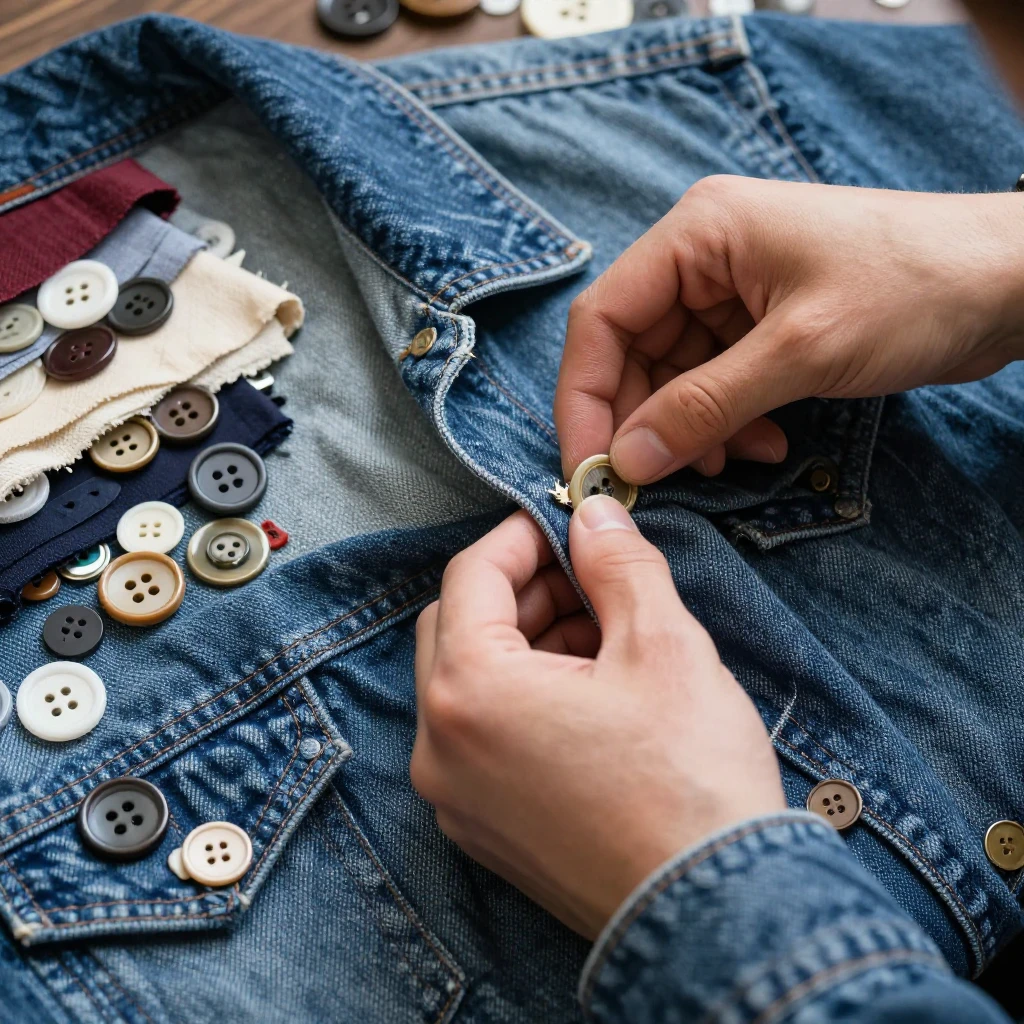
- Care and repair: Wash according to care instructions, mend small holes promptly, and replace buttons or zippers rather than discarding an otherwise useful item.
- Reuse and resale: Pass clothing to another wearer through resale, swaps, or secondhand shops. Good condition, clear sizing, and accurate descriptions help items find a new home.
- Rental and sharing: Clothing rental can make occasional-use pieces available without each customer owning one. It works best when logistics, cleaning, and garment wear do not outweigh the benefit of shared use.
- Responsible recycling: Recover fiber or other materials when a garment cannot reasonably be repaired or reused. Recycling options depend on fiber blends, dyes, trims, and local facilities.
These principles are not interchangeable. Repairing a frequently worn jacket may add years of use; renting a basic item that someone would otherwise wear repeatedly may add little. The right route depends on how a garment is used and what infrastructure exists nearby.
Why Circular Fashion Matters
Circular fashion matters because it can slow the flow of clothing into the waste stream and reduce demand for new materials. By extending garment lifecycles, it gives more value to the resources and work already invested in each item.
Making clothing requires fibers, energy, water, labor, and transport. The impacts vary widely by material and production method, so no single fabric or business model tells the whole story. But when a wearable garment is discarded early, those inputs support fewer wears than they could. Repair, reuse, and resale can help close that gap.
Circularity also shifts attention toward product responsibility. Extended producer responsibility (EPR) policies can require or encourage producers to help manage products after use, depending on the rules in a given jurisdiction. Well-designed programs can support collection and recovery, though they do not replace the need to reduce overproduction or make durable clothes.
For consumers, the clearest benefit is often practical: a well-made garment that suits your life can stay useful through repairs, wardrobe changes, or a second owner. Circular fashion is not automatically low-impact, but it provides tools for using clothing more thoughtfully.
What Circular Fashion Looks Like in Practice
Circular fashion in practice links product design, business operations, and everyday clothing decisions. Brands can build repairability and durability into a garment, offer mending services, run resale programs, or collect items for reuse and material recovery.
Supply chains matter as much as the item itself. A brand needs to know what fibers and components its products contain if it wants to sort or recycle them effectively. A jacket made from one fiber type may be simpler to process than a garment with blended fabrics, coatings, and several kinds of trim. However, choosing a recyclable material alone does not make a product circular if it is poorly made or quickly discarded.
Consumers contribute by wearing what they own, choosing secondhand clothing where it fits their needs, and asking brands specific questions: Can this item be repaired? Is the take-back program for reuse or recycling? What happens after collection? Clear answers are more useful than broad claims such as “eco-friendly” or “circular.”
Challenges and Limits
Circular fashion faces real limits, especially when the industry produces more clothing than people can use and garments are difficult to repair or recycle. Reuse and recycling systems cannot, on their own, balance unlimited new production.
Many clothes combine fibers, dyes, coatings, zippers, and buttons that complicate material recovery. Recycling technologies and collection services also vary by location, and not every collected garment becomes a new garment. Some material may be downcycled into products with shorter or less valuable uses; some may still be discarded.
Take-back schemes can create a false sense of resolution if shoppers assume every returned item is recycled responsibly. Rental has trade-offs too: cleaning, packaging, transport, and frequent handling can add impacts, while resale is only beneficial when it extends use rather than simply encouraging extra buying.
The practical test is to ask what happens before and after disposal. Is the garment durable? Is there a realistic repair or resale route? Can its materials be identified and processed locally? Recycling is a backstop, not a fix-all; reducing unnecessary purchases and extending wear remain central.
How to Make Your Wardrobe More Circular
You can make a wardrobe more circular by buying less often, using clothes longer, and choosing the best next step for each item. Start with what you already own; the most circular purchase may be the one you do not need to make.
- Pause before buying. Check whether you own something that meets the same need. If you decide to shop, consider secondhand first and look for construction that suits regular wear.
- Care for garments. Follow care labels, air clothes between wears when appropriate, and address small damage before it spreads. Care should fit the fabric; washing less is not helpful if a garment needs cleaning for hygiene or safety.
- Repair or alter. Sew a loose button, patch a small tear, or ask a tailor to adjust a hem. For a complex repair, compare the cost with the garment’s likely future use.
- Pass items on thoughtfully. Resell, swap, or donate clean clothing in wearable condition. Check what local charities accept rather than treating donation bins as a way to dispose of damaged textiles.
- Use recycling as the last route. Look for a credible textile collection option for items that cannot be worn or repaired. Follow the program’s instructions, since accepted materials differ.
These steps do not require a perfect wardrobe. A few well-used pieces, kept in service and passed on when appropriate, can be a more realistic start than replacing everything with products marketed as sustainable.
Frequently Asked Questions
Is circular fashion the same as sustainable fashion?
No. Circular fashion is one approach within the broader idea of sustainable fashion, focused on keeping products and materials in use. Sustainability also includes issues such as working conditions, chemical use, emissions, and the overall scale of production.
Is recycled clothing always circular?
No. Recycled content can reduce reliance on some virgin materials, but a garment is not automatically circular because it contains recycled fiber. Its durability, use, repair options, and end-of-life route also matter.
How can consumers support circular fashion?
Buy only what you need, use garments longer, repair them, and choose resale or swaps when suitable. You can also ask brands to explain how their repair, take-back, and recycling programs work.
What happens to clothes that cannot be reused?
Depending on the material and local infrastructure, they may be recycled into fiber or other products, downcycled, used for energy recovery, or sent to landfill. Collection does not guarantee recycling, so check the destination when a program provides that information.