Understanding Certifications: What Does “Fair Trade” Really Mean in Fashion?
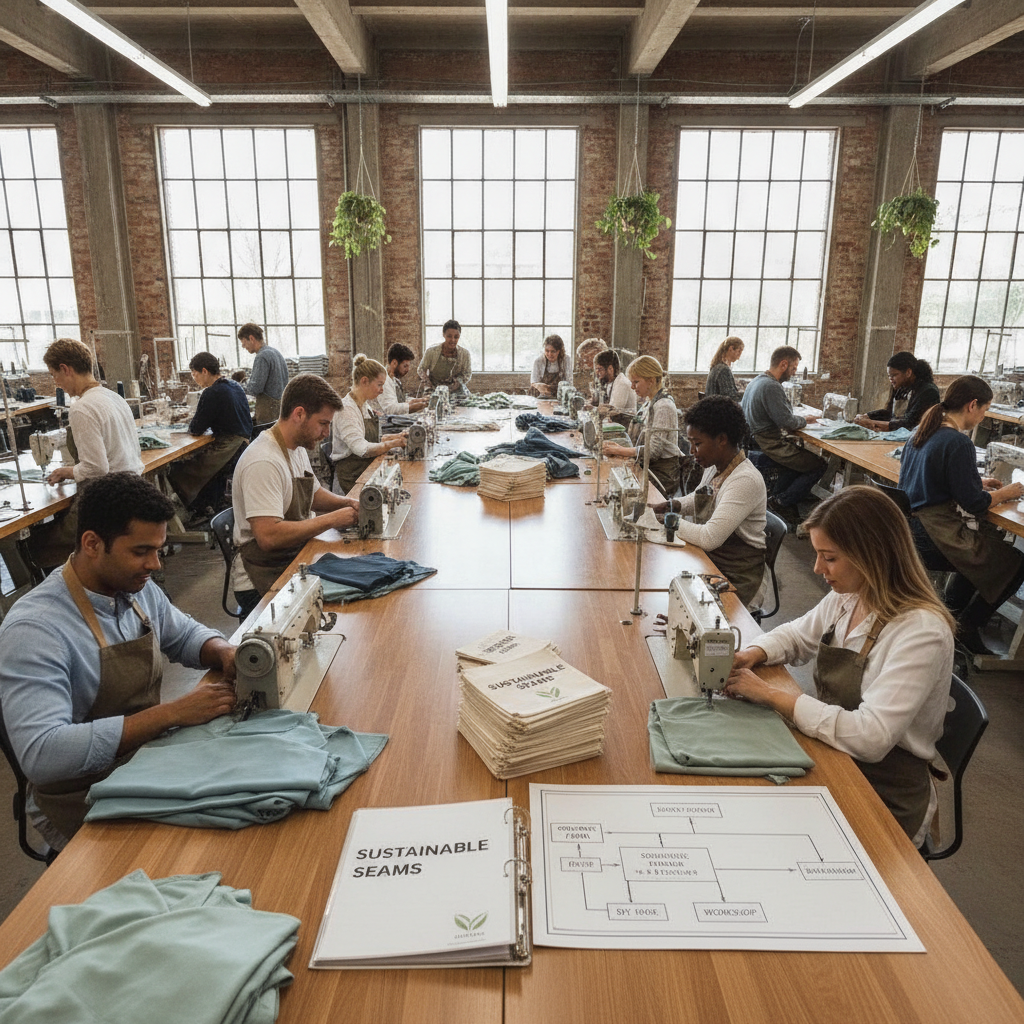
When a clothing label says Fair Trade, it usually points to the people and processes behind the garment: their pay, safety, rights, and ability to participate in workplace decisions. That makes Fair Trade certification a useful tool for shopping more responsibly, but it does not automatically prove that a garment is organic, low-impact, cruelty-free, or fully sustainable.
Fashion supply chains can involve farms, spinning mills, dye houses, factories, warehouses, and retailers across several countries. A meaningful certification helps make at least part of that journey more visible. The key is understanding exactly what the claim covers.
What Does Fair Trade Mean?
Fair Trade means producing and trading goods under conditions designed to protect workers, improve compensation, and create more accountable relationships across the supply chain. In fashion, the concept is closely connected to workers’ rights, fair wages, safe working conditions, and respect for human dignity.
The phrase itself can be used in different ways. A brand may describe a product as fairly traded because it follows an internal sourcing policy, while another may use a recognized Fair Trade Certified label backed by published standards and verification. Those claims should not be treated as identical.
In practical terms, Fair Trade fashion asks questions such as:
- Were workers paid according to applicable wage requirements, and is there a credible path toward fairer compensation?
- Did the workplace provide adequate health and safety protections?
- Could workers organize, raise concerns, and participate in decisions without retaliation?
- Did the purchasing relationship give producers or factories a more stable and accountable commercial arrangement?
Fair Trade is therefore mainly a social responsibility framework. It focuses on how people are treated while clothing is made. It can support ethical fashion and sustainable fashion, yet it covers a different dimension from certifications that focus primarily on fiber content, chemical use, or environmental impact.
What Fair Trade Certification Can Cover
Fair Trade certification can cover worker compensation, labor rights, workplace safety, empowerment, community benefits, and selected supply-chain practices. The exact requirements depend on the certification body, product, country, and stage of production included in the program.
Wages and worker welfare
Wages are one of the most important issues. A credible standard may address legal minimums, timely payment, deductions, overtime, and progress toward fair wages. “Fair wage” does not have one universal amount: living costs vary by location, household needs, working hours, and local economic conditions.
Certification may also examine forced labor, child labor, discrimination, harassment, freedom of association, and grievance procedures. These protections turn broad statements about ethical fashion into specific expectations that can be assessed.
Safe working conditions
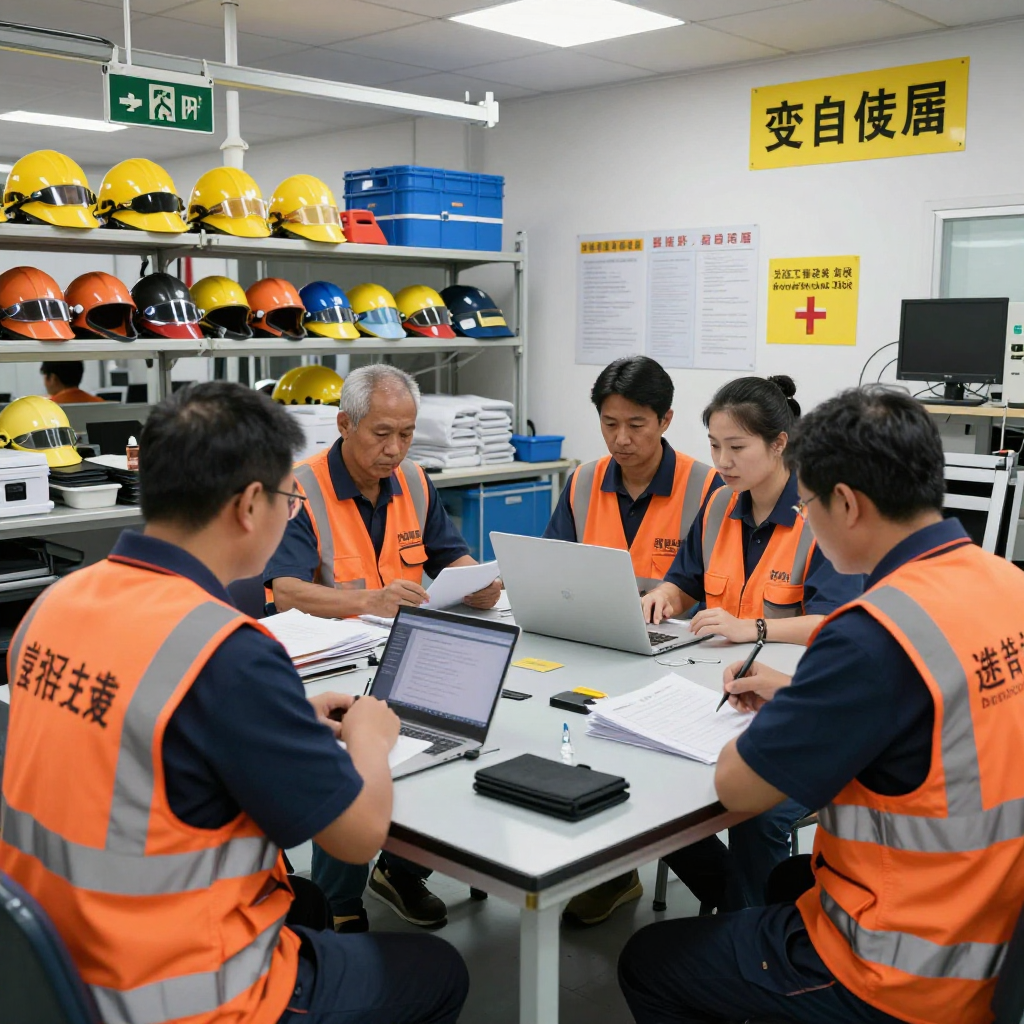
Clothing production involves machinery, heat, dust, dyes, solvents, electricity, and repetitive tasks. Fair Trade requirements may address fire prevention, emergency exits, protective equipment, training, ventilation, building conditions, and access to first aid.
Safety standards matter because a low-priced garment can hide costs that workers carry through injury, illness, excessive hours, or insecure employment. A verified workplace approach does not eliminate every risk, but it creates a process for identifying and correcting problems.
Empowerment and community benefits
Some Fair Trade programs include worker committees, education, premiums, or community investment. A premium is typically an additional amount directed toward agreed projects or benefits, rather than money that automatically becomes an individual wage increase. Shoppers should check how a specific program defines and distributes it.
Supply-chain practices can also matter. Longer-term purchasing relationships, clearer orders, and better communication may give factories more stability. Still, a certification covering one factory does not necessarily cover the cotton farm, textile mill, transport provider, or every subcontractor involved in the garment.
Fair Trade vs. Organic, Ethical, and Sustainable Fashion Labels
The main difference is scope: Fair Trade primarily addresses people and trading relationships, while organic, ethical, and sustainable labels may focus on materials, conduct, or environmental impacts. One label rarely proves that a garment performs well on every social and ecological measure.
| Term or label | What it may address | What it does not automatically prove |
|---|---|---|
| Fair Trade certification | Worker rights, compensation, safety, empowerment, and supply-chain accountability | Organic fibers, low carbon emissions, recycled content, or complete supply-chain coverage |
| Organic certification | How a fiber such as cotton is grown and processed under defined organic requirements | Fair wages, factory safety, or ethical treatment of garment workers |
| Ethical fashion | A broad approach that may include labor rights, animal welfare, transparency, and responsible sourcing | A specific, independently verified standard unless one is named |
| Sustainable fashion | A broad effort to reduce environmental and social harm across a garment’s life cycle | A guaranteed level of impact without measurable evidence and defined boundaries |
A cotton T-shirt can be organic but made in a workplace with weak labor protections. Another shirt can be Fair Trade certified while using conventional cotton. A third may use recycled polyester but provide little information about factory conditions. The strongest evaluation looks at the whole picture rather than treating one attractive word as a complete answer.
That distinction is central to supply chain transparency. A responsible brand should explain which facilities, materials, and production stages it can verify, not simply display a collection of reassuring adjectives.
How Certification Works
Certification works by comparing a product, facility, or organization with published standards and using audits, documentation, and follow-up checks to verify compliance. Independent or third-party certification adds distance between the brand making a claim and the party evaluating it.
The process usually has four parts:
- Standards: The certification body defines requirements for labor practices, wages, safety, environmental controls, traceability, or governance.
- Scope: The program identifies what is covered, such as a factory, a material, a product line, or several production stages.
- Verification: Auditors may review records, inspect facilities, interview workers, and examine purchasing or chain-of-custody documents.
- Corrective action: When problems appear, the supplier may receive deadlines and requirements for improvement. Certification can depend on resolving serious findings.
Audits have limits. A scheduled visit can miss temporary conditions, falsified records, unauthorized subcontracting, or workers who fear speaking openly. Stronger systems combine site visits with worker interviews, grievance channels, unannounced checks where appropriate, and transparent reporting.
Look for the name of the certification body and a link to its standard or product database. The International Labour Organization’s labor standards provide useful background on freedom of association, forced labor, child labor, discrimination, and safe work principles, although ILO standards themselves are not a Fair Trade product label.
How to Spot a Meaningful Fair Trade Claim
To evaluate a Fair Trade claim, identify the certifier, check the certified scope, and look for evidence beyond a logo or slogan. These three checks reveal whether the label describes a verified product or simply reflects a brand’s general values.
Use the label-reading test
- Who verified it? Find the certification body, not just the words “fair” or “responsible.”
- What is certified? Is it the finished garment, the factory, the cotton, a specific facility, or the company’s entire supply chain?
- Which standards apply? Look for requirements covering wages, working hours, safety, worker voice, and remediation.
- Can the claim be traced? A credible brand should provide facility names, countries, production stages, or a public explanation of its traceability system.
- Is the language precise? “Made with Fair Trade cotton” is narrower than “Fair Trade certified garment.”
Be cautious when a product page uses a logo without identifying its owner, displays a brand-created badge that resembles independent certification, or says “fair trade” without explaining the basis. Vague language does not prove deception, but it gives shoppers too little information to judge the claim.
One practical habit is to save the label’s exact wording before buying. Then compare it with the certifier’s website or standard. If the product description claims coverage that the certification body does not describe, contact the brand for clarification.
Why Fair Trade Matters in Sustainable Fashion
Fair Trade matters in sustainable fashion because environmental progress is incomplete when the people making clothing remain underpaid, unsafe, or excluded from decisions. Worker welfare is a core part of a garment’s social impact and should be considered alongside materials, energy, chemicals, waste, and durability.
Purchasing choices can encourage brands to invest in better supplier relationships and clearer accountability. Certification also gives shoppers a practical filter in a crowded market where terms such as “conscious,” “green,” and “responsibly made” may have no fixed definition.
Still, certification is only one part of a wider decision. A Fair Trade garment that is worn twice and discarded quickly may have a larger overall footprint than a durable secondhand item. Consider the garment’s fiber, construction, repairability, expected lifespan, care requirements, and end-of-life options.
A useful framework is people, proof, and product:
- People: Are workers’ rights, wages, and safety addressed?
- Proof: Is the claim independently verified and clearly scoped?
- Product: Will the garment last, suit your needs, and be used often?
This approach avoids both cynicism and perfectionism. You can value better labor protections while continuing to ask hard questions about fiber production and environmental impact.
Limitations and Questions to Keep in Mind
Fair Trade certification is a useful accountability tool, but it cannot guarantee that a garment is fully sustainable or free from every labor and environmental problem. Certification scope, audit quality, supply-chain complexity, and local enforcement all affect what the label can tell you.
Common mistakes include:
- Assuming one label covers everything: Fair Trade does not automatically mean organic, recycled, carbon-neutral, vegan, or locally made. Check each claim separately.
- Confusing a brand promise with certification: A company code of conduct may be meaningful, but it is different from third-party certification. Look for named standards and verification.
- Ignoring scope: A certified factory may produce only one component or product line. Ask whether farms, mills, subcontractors, and final assembly are included.
- Expecting certification to replace judgment: A verified social standard says little about whether a garment is durable or necessary for your wardrobe. Use, care, and longevity still matter.
Can a garment be Fair Trade but not organic? Yes. Fair Trade certification may focus on workers and trading conditions, while organic certification concerns how a fiber is grown and processed. Are all Fair Trade labels the same? No. Programs differ in standards, scope, verification, and terminology.
Frequently asked questions
What is the difference between Fair Trade and ethical fashion?
Fair Trade usually refers to defined principles or certification concerning fair compensation, worker rights, and accountable trade. Ethical fashion is a broader term that can include labor, animal welfare, transparency, and environmental concerns, but it may lack independent verification.
Does Fair Trade certification guarantee sustainable clothing?
No. It can provide evidence about selected social and supply-chain practices, but shoppers should separately assess materials, chemical management, emissions, durability, and garment use.
How can shoppers verify a Fair Trade claim?
Find the certification body, read the exact claim, check the product or supplier database when available, and confirm which production stages are covered.
Fair Trade is most useful when treated as a starting point for informed buying. Read the label carefully, reward specific evidence, and remember that a better fashion system depends on both workers’ rights and responsible environmental choices.