The Power of Consumer Choice: How Your Purchases Drive Change
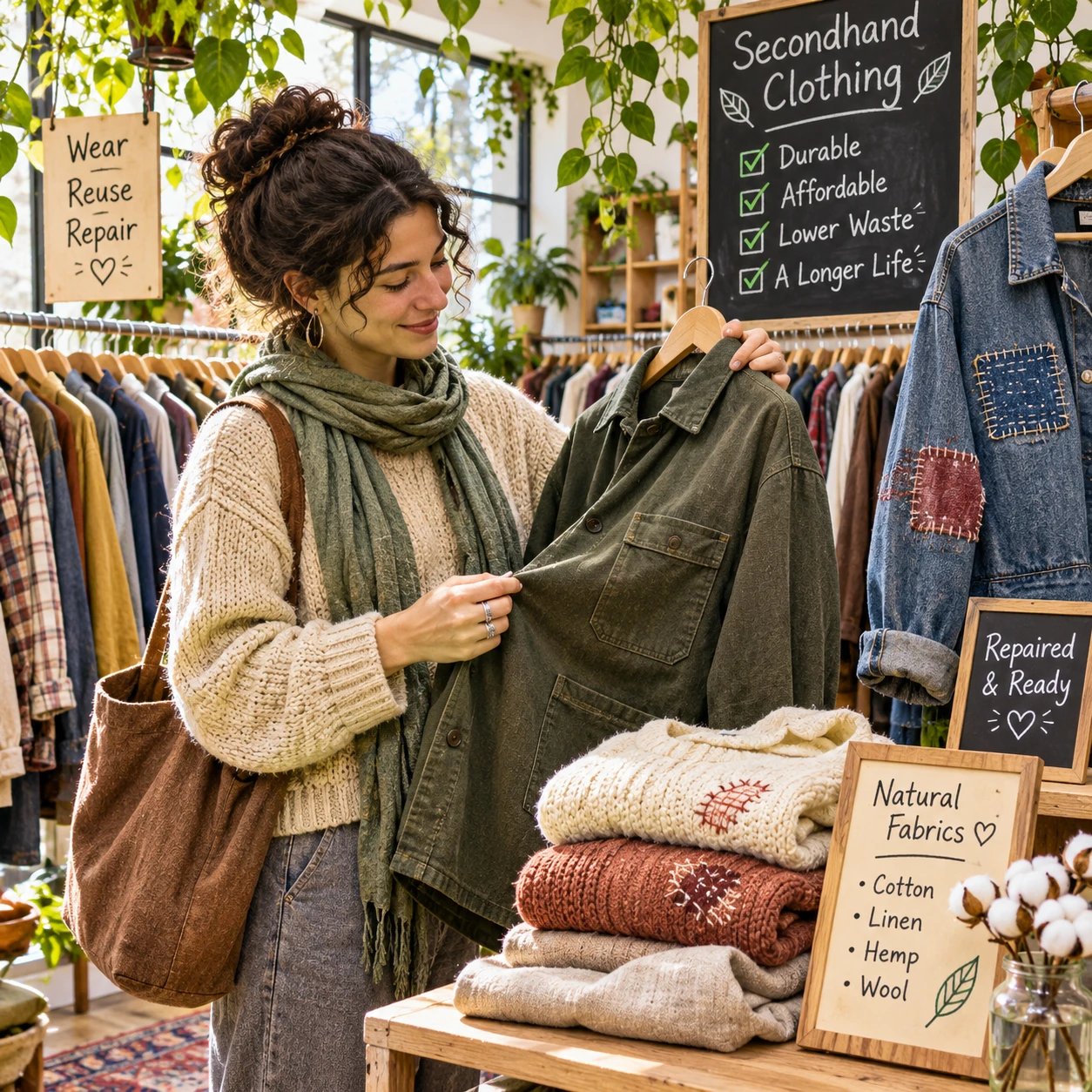
Every clothing purchase sends a signal. What shoppers choose, keep, repair, or pass along can influence which products fashion businesses make and how they compete. That influence has limits: consumers cannot independently fix low wages, pollution, or opaque supply chains. Still, thoughtful choices can support sustainable fashion while adding pressure for stronger business practices and policy.
Why What We Buy Matters
Consumer choice can affect what fashion brands stock, promote, and invest in. When demand grows for durable clothing, secondhand options, and credible supply chain transparency, businesses have a reason to respond—but lasting industry change also requires responsible companies, worker protections, and effective rules.
Brands track sales, returns, customer questions, and public reaction. A single purchase is a small signal; patterns across many customers are harder to ignore. Shoppers can also ask where clothes are made, how workers are treated, and what a company is doing to reduce waste. Those questions help make responsible practices part of the conversation rather than a niche concern.
But the burden should not fall on shoppers alone. People make choices within the limits of their budget, size availability, location, time, and access to information. Brands control sourcing and production, while governments can set and enforce labor and environmental standards. Consumer influence works best as one part of shared accountability, not as a substitute for corporate or public responsibility.
The Hidden Impact of Fashion Choices
The impact of a clothing choice depends on more than its label: materials, production, labor conditions, and how long the garment gets worn all matter. Looking at these factors together gives a more useful picture than relying on a single sustainability claim.
Materials affect a garment’s footprint, feel, care needs, and lifespan. Sustainable materials may include recycled or lower-impact fibers, but no fiber is automatically the best choice in every situation. Consider the item’s intended use, durability, and care instructions. A garment that falls apart quickly can require replacement sooner, even if its fabric sounds appealing.
Production and labor matter too. Fair labor means workers should have safe conditions, fair treatment, and appropriate compensation. A brand’s supply chain can involve multiple factories and suppliers, making broad claims difficult to verify. Look for concrete information about production locations, worker protections, and how the business checks whether its standards are followed.
Finally, consider longevity. A well-used garment spreads its production impact across more wears. That does not make every purchase sustainable, but it explains why keeping clothes in service is a practical part of the equation. Fashion’s hidden impact is shaped both by how an item is made and what happens after it reaches your wardrobe.
How to Make More Sustainable Purchases
To make more sustainable clothing purchases, check whether you need the item, assess its expected lifespan, and investigate the brand’s practices before buying. A short pause can help you avoid impulse purchases and focus on clothes you will wear often.
- Start with need. Identify the gap in your wardrobe and what the garment must do. A versatile replacement for a worn-out coat may be more useful than another version of something you rarely wear.
- Check quality and care. Examine seams, fastenings, fabric, and repairability. Read care instructions and ask whether you can wash, mend, and store the item realistically.
- Look for specific evidence. Ethical fashion brands should be able to explain their sourcing and labor practices with more than a vague promise. Seek details about factories, materials, standards, and progress. Transparency is useful, though disclosure alone does not prove that conditions are fair.
- Compare options. Consider borrowing, swapping, buying secondhand, or repairing what you own before purchasing new. If buying new is the sensible option, prioritize a garment suited to repeated wear over a trend you expect to discard quickly.
Do not treat a label or certification as a complete verdict. Claims can cover only one part of a product or supply chain, and standards differ. Ask what the claim means, who verifies it, and what information the brand provides. A simple decision test is need, use, evidence: Do you need it? Will you use it often? Can you find credible evidence about how it was made?
Buy Less, Wear Longer, Choose Secondhand
Buying fewer new clothes, wearing what you own for longer, and choosing secondhand clothing can reduce demand for new production. These habits are often more accessible than replacing a wardrobe with expensive “sustainable” products.
Begin by making existing clothes easier to wear. Keep frequently used items visible, build outfits around what already fits, and follow care labels to avoid unnecessary wear. Washing only when needed, using gentler settings where suitable, and storing garments properly can help them last. Clothing care depends on fabric and use, so there is no single routine for every item.
Repair small problems early. A loose button, open seam, or minor hem issue may be manageable at home; more complex alterations can go to a tailor or repair service. If you do not sew, clothing swaps, community mending events, and local repair shops can provide alternatives. The key is to make repair practical, not to feel obliged to rescue every damaged garment.
Secondhand shopping can extend a garment’s useful life and avoid a new purchase, but it is not automatically the right choice in every case. Travel, shipping, condition, and whether the item replaces something you would otherwise buy all matter. Look for pieces you will actually wear, check measurements and damage carefully, and avoid buying extra simply because the price is low. The most useful secondhand find is one that becomes a regular part of your wardrobe.
Use Your Voice Beyond the Checkout
You can support fashion accountability by telling brands what information and practices you expect, then backing those expectations through feedback and civic action. A purchase is one signal; clear questions, public comments, and support for stronger standards add others.
When contacting a company, ask a specific question: Where was this garment made? How does the brand monitor labor conditions? What does its recycled-material claim cover? A precise question is easier to answer than a general request to “be sustainable.” If the response is vague, you can decide whether to buy, share the exchange, or look elsewhere.
Customers can also support groups and policies that advance worker protections, product durability, and supply chain transparency. Collective action matters because individual shoppers cannot inspect factories or enforce labor laws. Governments and companies have the power and responsibility to set standards, disclose information, and address harm. Public pressure can help keep those responsibilities visible.
Make Progress Without Chasing Perfection
Sustainable fashion is a direction, not a perfect shopping record. Choose changes that fit your budget and circumstances, keep using what you own, and recognize that business decisions and public policy must carry much of the responsibility.
You do not need to replace clothes that still work or buy premium products to prove your commitment. Start with one manageable step: mend a favorite item, plan purchases around real needs, explore a clothing swap, or ask a brand for supply-chain details. If a lower-impact option costs more or is unavailable in your size, choosing an affordable garment you will wear often can be a sensible decision.
A useful personal measure is not how many “ethical” items you own, but whether your habits reduce unnecessary buying and extend the life of clothes. Consumers can help shift demand, but meaningful progress also depends on fair labor protections, transparent business practices, and enforceable policy. Make the choices available to you, and expect the industry to do its share.
Frequently Asked Questions
Can one person’s fashion choices make a difference?
One person’s choices have limited direct impact, but they contribute to wider demand and public expectations. Their influence is stronger when paired with collective action and pressure on brands and policymakers.
Is buying secondhand always more sustainable?
No. Secondhand clothing can reduce the need for new production when it replaces a new purchase, but condition, transport, and actual use matter. Buy pieces you expect to wear rather than accumulating items because they are inexpensive.
How can I tell whether a fashion brand is ethical?
Look for specific, current information about factories, labor standards, materials, and supply chain oversight. Ask what the brand’s claims cover and whether it explains how those claims are checked. No single label or statement guarantees ethical production.
What is the most sustainable way to shop for clothes?
First consider whether you need anything new. If you do, compare repair, borrowing, swapping, and secondhand options; then choose a suitable garment you expect to wear for a long time and care for properly.